
How to Choose the Right Electric Bike for Your Australian Lifestyle in 2026
If you want to choose an electric bike that genuinely suits your Australian lifestyle in 2026, start with how and where you plan to ride—not the biggest motor, the longest advertised range or the most attractive price. The right choice for a daily commute through Melbourne is different from the best option for steep Brisbane streets, weekend mountain-bike trails or off-road electric dirt-bike riding.
This expert decision framework will help you compare electric bikes by riding purpose, motor performance, battery capacity, comfort, budget, safety and legal requirements. It also explains the difference between conventional pedal-assist e-bikes and high-powered electric motorcycles, so you can narrow down your options before spending your money.

1. Choose an Electric Bike Based on Your Lifestyle First
The first step is to identify your main use. Many buyers make the mistake of choosing a bike based on specifications alone, only to discover that it is too heavy, uncomfortable or unsuitable for their regular routes.
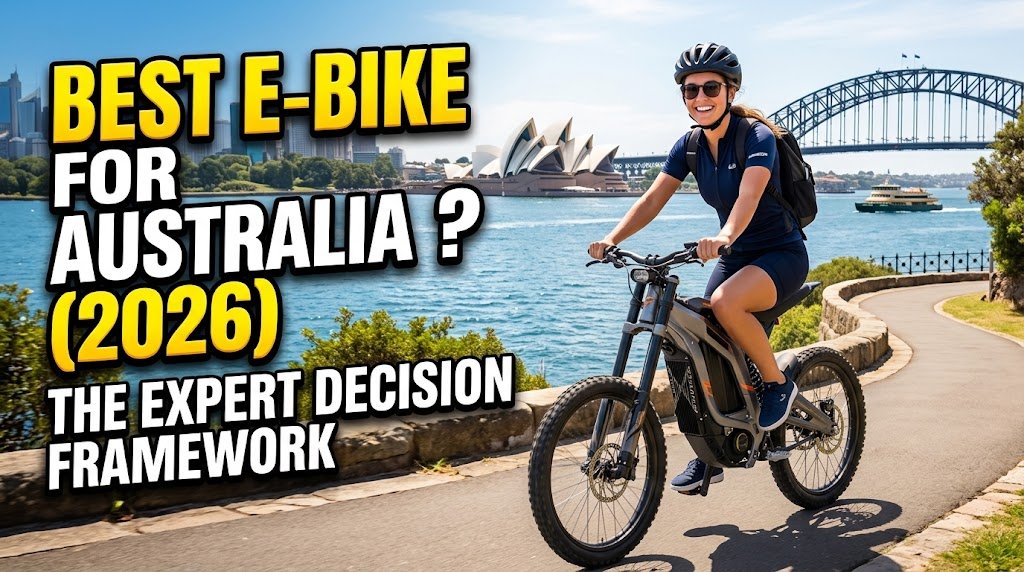
Best electric bike for commuting
If you travel to work, university or local shops, look for a practical commuter e-bike. Prioritise comfort, reliable brakes, suitable gearing, integrated lights and the ability to carry your everyday essentials.
A rear rack, mudguards and a kickstand can make a significant difference. They may seem like minor features, but they reduce the need to purchase accessories after buying the bike.
Choose this style if: most of your riding takes place on roads, bike paths and urban streets.
Best electric bike for hills
Australian suburbs can include steep climbs, long inclines and strong headwinds. If your route is hilly, motor torque, gearing and battery capacity deserve extra attention.
A capable mid-drive motor can be particularly useful on climbs because it works through the bike’s gears. However, the overall result also depends on the motor system, rider input, gearing and bike weight.
Choose this style if: you regularly climb hills, carry cargo or ride longer distances with elevation changes.


Best electric bike for recreation and trails
If you enjoy gravel roads, bush tracks and mountain-bike trails, consider an electric mountain bike (eMTB). Look for suitable suspension, grippy tyres, hydraulic disc brakes and geometry designed for the terrain.
A commuter bike with basic suspension is not automatically suitable for technical trails. Match the bike to the surfaces and difficulty levels you actually intend to ride.
Choose this style if: weekend adventures and off-road cycling matter more than carrying shopping or commuting in work clothes.
Best electric bike for carrying children or cargo
Cargo e-bikes are designed to transport groceries, equipment and, on suitable models, children. Before buying one, check its permitted load, passenger provisions, frame stability, braking system and compatibility with the accessories you need.
Do not assume every rear rack is approved for carrying a passenger. Follow the manufacturer’s specifications and local rules.
Choose this style if: you want to replace car trips, carry heavier loads or manage regular family errands.
2. Choose an Electric Bike with the Right Motor
Motor specifications can be confusing because manufacturers advertise watts, torque, assistance modes and top speeds. These numbers do not all measure the same thing.
Motor power and Australian compliance
For a conventional road-use pedal-assist e-bike, compliance comes before performance. Australian requirements depend on the applicable vehicle classification and the rules where you ride. The federal guidance describes compliant power-assisted pedal cycles under the EN 15194 framework, including a 250W maximum continuous rated motor and assistance that cuts out at 25 km/h under the relevant conditions.
Do not assume that a bike with pedals is automatically a road-legal e-bike. A throttle, higher power output or different vehicle design may change its classification.
What does torque mean?
Torque, measured in newton-metres (Nm), helps explain how strongly a motor can assist, particularly at lower speeds and on climbs. Higher torque can be useful for hills and heavier loads, but it does not tell the whole story.
Also consider the motor’s control, gearing, battery system, weight and intended use.
Decision rule: choose a motor system that fits your terrain and complies with the rules for your intended use. Do not buy extra power you cannot legally use where you ride.
3. Choose an Electric Bike with Enough Battery Range
Battery range is one of the most common sources of confusion for new buyers. Advertised range figures are usually estimates, not guarantees.
A bike advertised with a 100 km range may travel substantially less when ridden up steep hills, in strong headwinds, with a heavier rider or at a high assistance level.
Understand battery capacity
Battery capacity is usually measured in watt-hours (Wh). In general, a higher Wh rating means more stored energy, but real-world distance also depends on the efficiency of the motor system and riding conditions.
Think about your normal daily distance and how often you can recharge.
- Short urban trips: a smaller battery may be sufficient.
- Long commutes: look for more capacity and a comfortable reserve.
- Hilly routes: allow extra range for climbing and higher assistance.
- Long recreational rides: consider battery capacity, charging access and whether the model supports an approved range-extender solution.
Avoid choosing a bike solely because its advertised range is the largest. A reliable estimate based on your route is more useful than a headline number.


4. Match the Frame, Weight and Comfort to Your Body
The best electric bike on paper can still be the wrong bike if it does not fit you properly.
Check the manufacturer’s sizing guide, saddle adjustment, handlebar reach and riding position. If possible, arrange a test ride before committing.
Step-through or traditional frame?
A step-through frame can make mounting and dismounting easier, particularly for frequent stops or riders who prefer not to lift a leg over a high top tube.
A traditional frame may suit riders who prefer its design or the geometry of a particular performance model. Neither style is automatically better for everyone.
Consider the bike’s weight
Electric bikes can be heavy because of their motors, batteries and reinforced frames. Weight matters if you need to carry the bike upstairs, lift it onto a vehicle rack or manoeuvre it through a narrow storage area.
Ask yourself:
- Can I comfortably move the bike when the motor is off?
- Can I store and charge it safely?
- Will it fit my car rack or storage space?
- Does the frame size suit my body?
- Are the brakes appropriate for the bike’s weight and intended use?
Comfort is not a luxury. It affects how often you will actually use the bike.
5. Set a Realistic Electric Bike Budget
When you choose an electric bike, compare the complete cost of ownership rather than the sticker price alone.
Entry-level options
Lower-priced bikes can suit occasional riding and shorter trips. Check the quality of the battery, charger, brakes, drivetrain and after-sales support carefully.
Mid-range options
A mid-range budget may provide a better combination of battery capacity, braking performance, motor refinement and everyday equipment. This is often a sensible place to start for regular commuting.
Premium and specialist bikes
Higher-priced models may offer more advanced motor systems, suspension, better components or a frame designed for demanding terrain. These features are worthwhile only if they match your riding needs.
Remember the additional costs
Allow for a helmet, lock, lights if not supplied, servicing, tyres, replacement brake pads and possible battery replacement over the bike’s lifetime.
If you are considering an eMTB or an electric dirt bike, specialist protective equipment and maintenance may add to the total budget.
6. Choose the Right Electric Bike for Australian Weather and Terrain
Australia is not one uniform riding environment. Heat, rain, dust, road surfaces and hills vary significantly between regions.
For hot conditions, follow the battery and charging instructions and avoid leaving a battery in extreme heat. For wet weather, check the manufacturer’s guidance on water exposure, braking and cleaning.
If you ride on gravel or trails, tyres and suspension become more important. For city riding, puncture resistance, lights, visibility and a comfortable riding position may deliver more practical value.
Before buying, consider your actual route—not an idealised weekend ride. A bike that performs well on flat paths may feel very different on steep streets or loose surfaces.
7. Safety and Battery Quality Should Be Non-Negotiable
Price and performance should never outweigh basic safety.
The Australian Competition and Consumer Commission has identified e-micromobility safety as a 2026–27 product-safety priority, including work towards nationally consistent standards covering e-bikes, power limits and lithium-ion battery safety.
When comparing bikes, look for a reputable supplier, a compatible battery and charger, clear documentation, accessible warranty support and instructions for safe charging and storage.
Avoid modifying a battery or charger unless the manufacturer specifically approves the change. Do not use a damaged battery, and stop using equipment that shows signs of overheating, swelling, unusual odour or other damage.
Also check the brakes, tyres, lights, frame and fasteners regularly. Wear a suitable helmet and learn the rules for your state or territory before riding in public spaces.
8. Understand the Difference Between E-Bikes and Electric Dirt Bikes
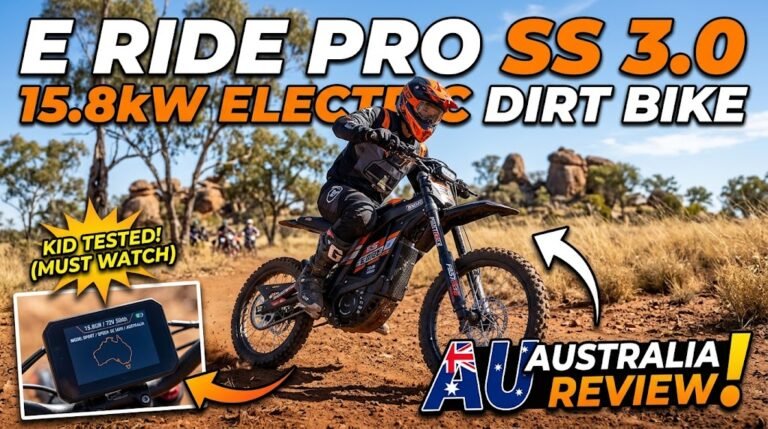
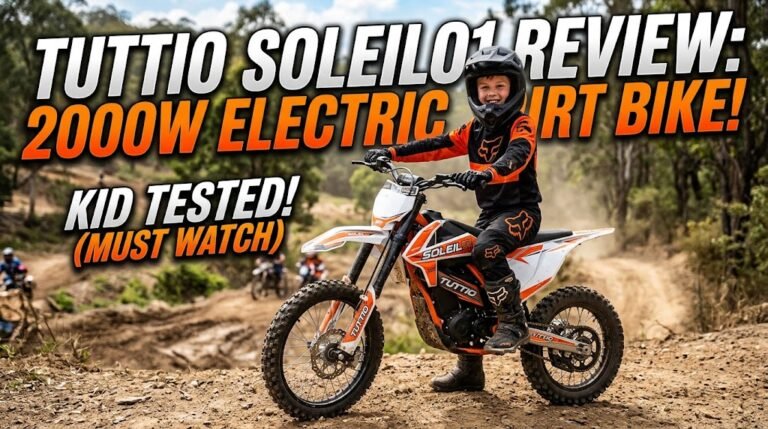
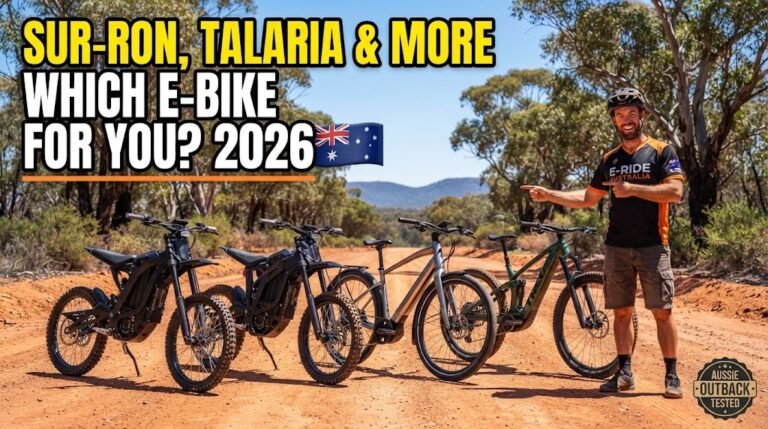
This distinction is especially important for buyers interested in brands such as Sur-Ron, Talaria and other high-powered electric off-road machines.
A conventional pedal-assist e-bike is designed around bicycle use and assistance while pedalling. An electric dirt bike or e-moto may have a very different power output, speed capability, frame design and legal classification.
Do not assume that an electric dirt bike can be ridden on public roads, footpaths or shared paths just because it is sold in Australia or has an electric motor.
Before buying, verify the exact model’s intended use, certification and any applicable registration requirements. Check the state or territory rules and confirm where the vehicle can legally be ridden.
For dedicated off-road riding, choose a machine designed for that environment and use appropriate protective equipment. You can explore ELECTRICK’s electric dirt bike range to compare the available category.

9. Use This Expert Decision Framework Before You Buy
Before choosing a model, answer these six questions:
- Where will I ride most? Roads, bike paths, hills, gravel, mountain-bike trails or private off-road areas?
- How far will I travel? Use your normal trip distance and include a sensible battery reserve.
- What must I carry? A laptop, groceries, child seat, tools or riding equipment?
- What level of performance do I need? Everyday assistance, hill climbing, technical trails or specialist off-road riding?
- Where will I store and charge it? Consider weight, space, battery instructions and access to safe charging.
- Is this exact model legal for my intended use? Check classification, specifications and local requirements before purchase.
If a bike fails one of your essential requirements, remove it from your shortlist. That is more effective than getting distracted by extra features you may never use.
10. Final Verdict: How to Choose the Right Electric Bike in 2026
The right electric bike is the one that fits your routes, body, budget and intended use while meeting the relevant safety and legal requirements.
For everyday commuting, prioritise comfort, dependable components and useful accessories. For hills, pay attention to torque, gearing and battery capacity. For mountain biking, focus on suspension, brakes, tyres and trail geometry. For cargo, verify load limits and passenger provisions. For high-powered electric dirt bikes, establish where the exact model can legally be ridden before buying.
The smartest way to choose an electric bike is to define your needs first, shortlist suitable categories second, and compare individual models last.
Explore the ELECTRICK shop to review available options, or contact the team if you need help identifying a suitable setup for your riding style.
FAQ section
What is the best electric bike for Australian conditions?
The best option depends on your riding environment. Commuters should prioritise comfort, reliable brakes and practical accessories. Riders tackling hills should compare torque and gearing, while trail riders need suitable suspension, tyres and brakes.
How do I choose an electric bike battery size?
Consider your daily distance, elevation, rider weight, assistance level and charging opportunities. Compare battery capacity in watt-hours (Wh), but remember that advertised range is an estimate rather than a guarantee.
Is a more powerful electric bike always better?
No. Higher power does not automatically mean a better riding experience. Motor control, torque, gearing, battery capacity and overall weight also matter. You must also verify that the model is legal for your intended use.
Are electric dirt bikes the same as road-legal e-bikes?
No. High-powered electric dirt bikes and e-motos can have different classifications and requirements from conventional pedal-assist bicycles. Check the exact model and the applicable state or territory rules before riding in public.
What should I check before buying an electric bike in Australia?
Check the frame fit, battery capacity, motor system, brakes, weight, warranty, spare-parts availability, battery and charger safety, and compliance for your intended riding location.
How much should I spend on an electric bike?
Set your budget around your actual needs. Include accessories, servicing and potential battery replacement costs rather than comparing purchase prices alone.