
How to Choose the Right Electric Bike for Your Australian Lifestyle in 2026
Choosing the right electric bike for your Australian lifestyle starts with one question: what do you actually want to use it for? Your ideal bike could be a comfortable commuter, a long-range touring e-bike, a capable electric mountain bike or a high-powered electric dirt bike for off-road riding.
The best choice depends on where you ride, how far you travel, your budget, your experience and the rules that apply to the vehicle. A bike that works brilliantly for a daily commute may be unsuitable for steep trails, while a powerful e-moto may be inappropriate for public-road use.
This guide explains how to compare electric bikes in Australia in 2026, avoid common buying mistakes and choose a model that suits your real needs—not just the biggest specifications on the product page.
1. Choose an Electric Bike That Matches Your Lifestyle
Before comparing brands, decide what your typical ride looks like. Start with your most common use, then consider any secondary activities. see more
Commuting and everyday transport
If you travel to work, university or local shops, prioritise comfort, predictable handling, practical range, reliable brakes and secure parking. A commuter e-bike should fit your route and storage arrangements.
Consider a step-through frame if easy mounting matters, integrated lights if you ride in low light, and a rear rack if you carry a work bag or groceries.
Weekend recreation and longer rides
For recreational riding, consider comfort over longer distances, battery capacity, tyre choice and access to charging. If your rides include hills or rougher surfaces, look for a suitable gear range, effective brakes and a frame designed for those conditions.
Mountain biking and technical trails
An electric mountain bike needs to match the trails you ride. Suspension, tyre grip, frame geometry, braking performance and battery placement all affect handling. If you ride technical terrain, compare the bike’s intended use and component quality rather than choosing on battery size alone.
Electric dirt bikes and high-powered e-motos
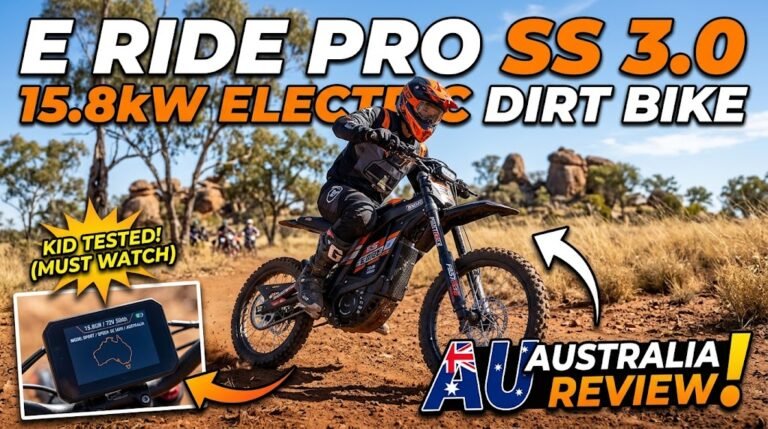
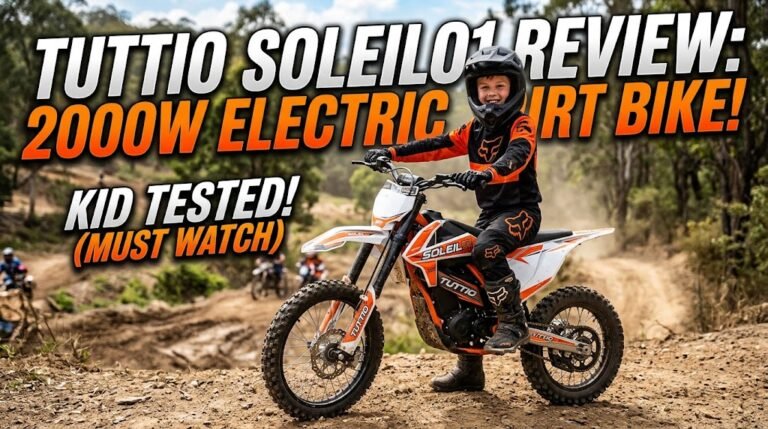
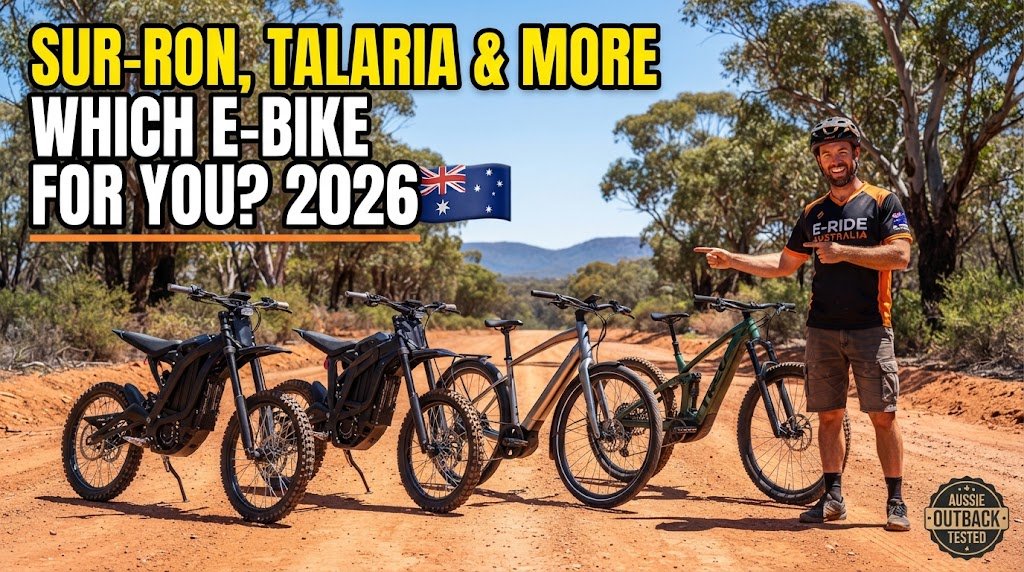
If you want the off-road experience of a Sur-Ron, Talaria, Segway or E Ride Pro, your priorities will be different. Power delivery, suspension, ground clearance, braking, weight, riding ergonomics and replacement parts matter.
These machines are not automatically road-legal electric bicycles. Many high-powered electric dirt bikes are designed for off-road use and may not be permitted on public roads or shared paths. Check the exact model and local requirements before buying.
2. Understand the Main Types of Electric Bikes
Different designs solve different problems. Narrow your shortlist to the category that best matches your riding.
- Commuter e-bike: Suited to everyday trips, work travel and local errands.
- Folding e-bike: Useful when compact storage or transport is important.
- Cargo e-bike: Designed to carry shopping, equipment or other loads within its specified limits.
- Electric mountain bike (eMTB): Built for suitable trails and off-road cycling.
- Electric dirt bike or e-moto: Intended for off-road performance or other uses permitted for that exact vehicle.
Do not assume that a model is suitable for every environment simply because it has pedals, looks like a bicycle or is advertised as an e-bike. Vehicle classification and permitted use depend on its design and specifications, as well as applicable laws. read more


3. Check Australian E-Bike Laws Before You Buy
This step can prevent an expensive mistake. Not every electric bike sold in Australia is legal to ride on public roads or paths. Requirements depend on the vehicle category and state or territory.
The Australian Government explains that a conventional power-assisted pedal cycle meeting the relevant requirements may be treated as a bicycle, while a model outside those limits may be classified as a road vehicle. See the Australian Government’s importer guide to electric bikes.
What should you check?
Before purchasing, confirm:
- The exact make, model and specification.
- Whether it meets the applicable requirements for a conventional e-bike.
- Whether the seller can provide compliance documentation.
- Where the vehicle can legally be ridden.
- Whether registration, licensing or insurance requirements apply to that vehicle.
Rules can differ between jurisdictions and may change over time. For example, Queensland’s rules for compliant e-bikes changed during 2026, including new requirements introduced from 31 August 2026. NSW has its own rules and a transition toward tighter requirements for certain e-bikes. Check your state or territory’s current official guidance rather than relying on a seller’s general claim that a model is “street legal.”
For a starting point, consult the Queensland Government’s e-bike rules or the NSW Government’s e-bike FAQs.
Important for electric dirt bikes: Do not assume that a Sur-Ron, Talaria or similar high-powered model can be used on public roads, bicycle paths or footpaths. Confirm its legal status and intended riding areas before paying.
4. Choose the Right Battery Range for Your Riding
Battery capacity matters, but advertised range is not a guarantee of how far you will travel. Real-world range depends on the battery, motor, rider weight, terrain, speed, temperature, tyre pressure, load and assistance settings.
Estimate your real range requirement
Start by calculating the distance you normally ride in a day. Then allow for detours, hills, weather and battery ageing. If you need to cover a long round trip without charging, a larger usable range may be worthwhile.
For example, a rider commuting 12 km each way needs to plan for a 24 km return journey, not just the distance to work. A rider tackling steep trails or riding a high-powered e-moto may use considerably more energy per kilometre than someone cruising on flat paths.
Battery questions to ask
- Is the advertised range based on ideal conditions?
- Can the battery be removed for charging?
- How long does charging take according to the manufacturer?
- Is a compatible replacement battery available?
- What warranty applies specifically to the battery?
Australian heat makes storage and charging important. Buy from a reputable supplier, use the specified charger, keep the battery cool and dry, and never use a battery that is swollen, leaking, damaged or overheating. The ACCC’s lithium-ion battery guide provides practical safety advice.


5. Compare Comfort, Fit and Handling
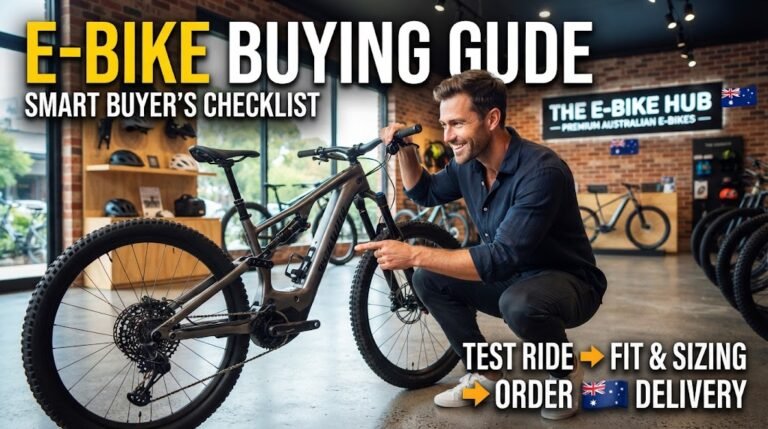
A bike can have excellent specifications and still feel wrong when you ride it. If possible, arrange a test ride before buying.
Check that the frame size suits you, you can reach the controls comfortably and the bike feels manageable when starting, stopping and turning. Pay attention to saddle comfort, handlebar position, suspension and overall weight.
If you are buying online, ask the seller for accurate frame dimensions, rider-fit guidance and the bike’s total weight. Confirm whether it arrives assembled or requires setup.
For high-powered electric dirt bikes, consider your experience level and whether you can safely manage the machine’s weight and power. A short demonstration is not proof that a bike will be suitable for every trail or riding condition.
6. Set a Realistic Budget | Beyond the Purchase Price
The cheapest electric bike is not always the best value, and the most expensive model is not automatically the best choice.
Calculate the full cost of ownership before ordering. Include the bike, delivery, any assembly or setup, helmet and protective equipment, locks, servicing and likely replacement parts.
For commuter bikes, practical accessories such as lights, mudguards and racks may be important. For electric mountain bikes and e-motos, tyres, brake components, suspension servicing and model-specific parts may be bigger considerations.
Ask the seller about warranty coverage, servicing options and replacement battery availability. Also confirm delivery timeframes, the returns policy and how faults are handled.
If a seller makes a strong claim about range, road legality or included equipment, ask for the details in writing. Keep the product listing and order confirmation for reference.
7. Buy From a Reputable Seller With Clear Support
After-sales support matters, particularly when a bike has a proprietary battery, motor controller or specialised components.
Before you buy, check that the seller provides clear business contact details, product specifications, warranty information and a process for support. Ask how replacement parts are sourced and who can service the exact model.
Australian Consumer Law may provide consumer guarantees in addition to any written warranty. A retailer’s policy does not automatically remove those rights. The ACCC’s consumer guarantees guidance explains the basics.
At ELECTRICK, you can compare available models through the online shop or browse the electric dirt bike range. Check the individual product details carefully so you know what each model is designed for.
8. Inspect Your Bike Before the First Ride
When your bike arrives, check the packaging and compare the delivered model with your order. Inspect the frame, wheels, brakes, battery casing, charger and accessories for visible damage or missing items.
Follow the manufacturer’s assembly and pre-ride instructions. If the brakes, steering or other safety-critical components need adjustment and you are not confident doing it correctly, arrange a qualified inspection.
Before heading out, check tyre pressure, wheel security, brake operation, lights where fitted and battery charge. Learn the controls in a safe, suitable area before attempting a longer journey.
For an electric dirt bike or e-moto, use appropriate protective equipment and a legal riding location. Confirm that you understand the vehicle’s power delivery and handling before riding at speed.
Frequently Asked Questions
What is the best electric bike for everyday use in Australia?
The best option depends on your route, storage, distance and budget. A commuter e-bike is often practical for daily travel, while folding and cargo designs suit specific storage or carrying needs.
How much range do I need?
Calculate your typical round-trip distance, then allow for hills, weather, riding style and a reserve. Do not rely solely on the maximum range advertised by the manufacturer.
Are all electric bikes sold in Australia road legal?
No. Legal use depends on the exact vehicle, its specifications and the rules in the relevant state or territory. High-powered electric dirt bikes and e-motos should not be assumed to be legal on public roads or paths.
Should I test ride before buying?
If possible, yes. A test ride helps you judge fit, comfort, braking and handling. If buying online, request accurate specifications and dimensions and read the returns and warranty conditions first.
Is battery safety important when choosing an e-bike?
Yes. Check the quality and compatibility of the battery and charger, buy from a reputable supplier and follow the manufacturer’s instructions for charging and storage.
Should I buy based on motor power alone?
No. Match the bike to your intended use and consider handling, brakes, battery range, serviceability, warranty and legal requirements. More power does not automatically mean a better bike for your needs.
Final Verdict: Choose for Your Real Life, Not Just the Specification Sheet
The right electric bike for your Australian lifestyle in 2026 is the one that suits your everyday needs, riding environment, budget and experience.
Start with the intended use, confirm the applicable rules, estimate realistic battery range, check fit and safety, and compare the total cost and support available after purchase.
Whether you are looking for a practical commuter, an electric mountain bike or a high-powered off-road machine, take the time to verify the exact model before buying. That is how you make a more informed decision and get better long-term value from your purchase.
Ready to compare options? Browse the ELECTRICK shop or contact ELECTRICK with questions about a specific model.